This is a list of all the material objects on the map.
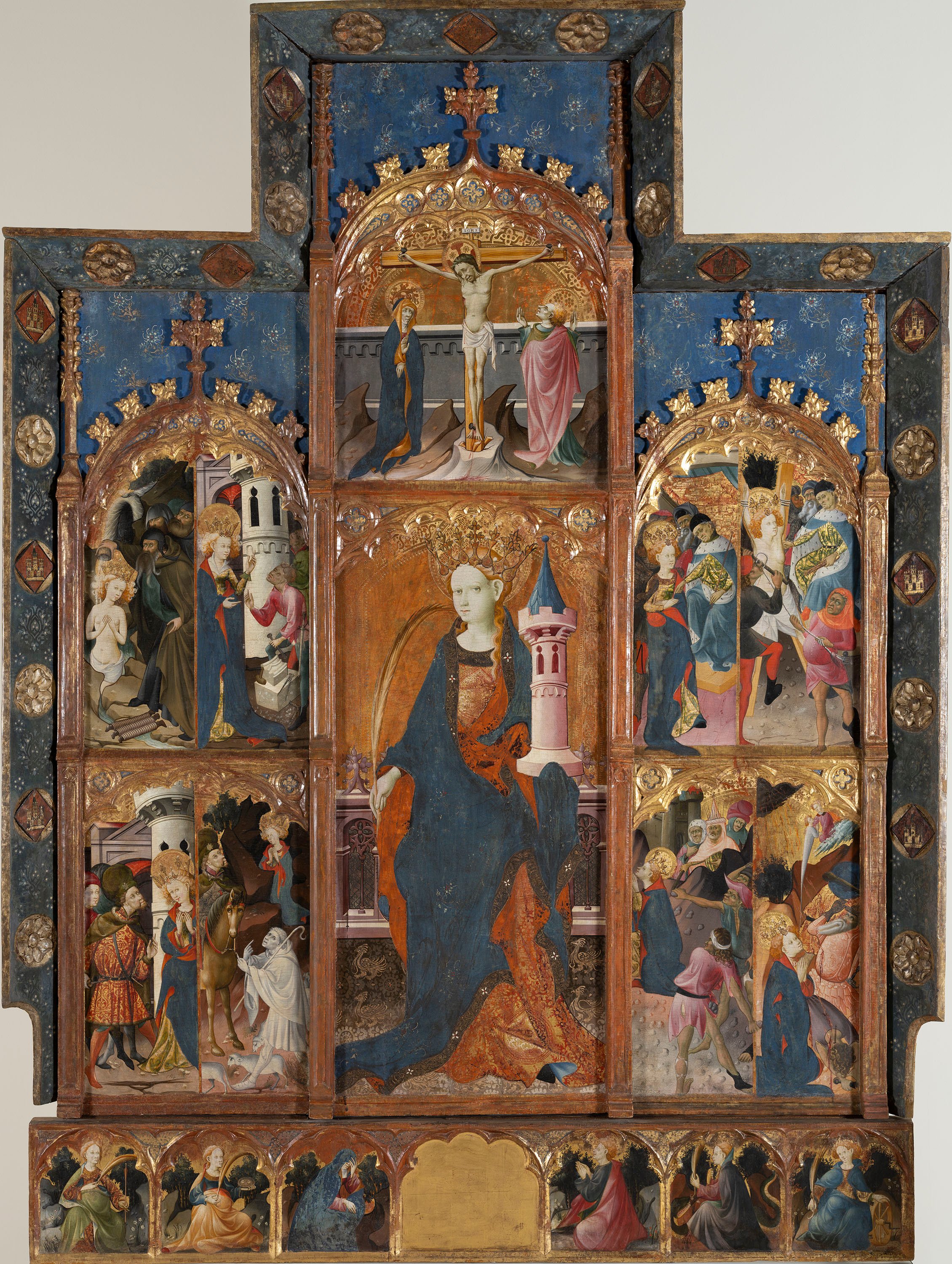
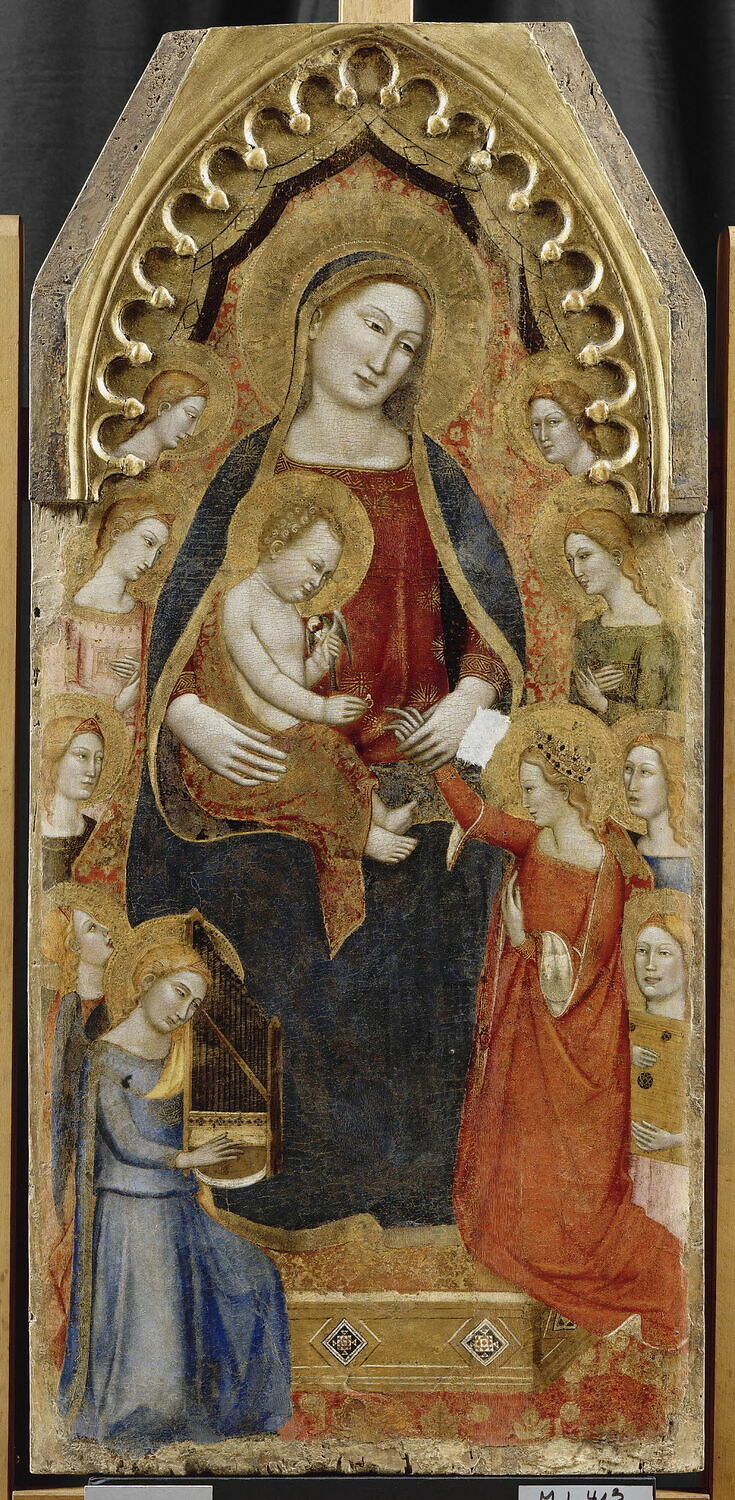
c. 1410-1425. This painting on an alterpiece depicts St. Barbara.
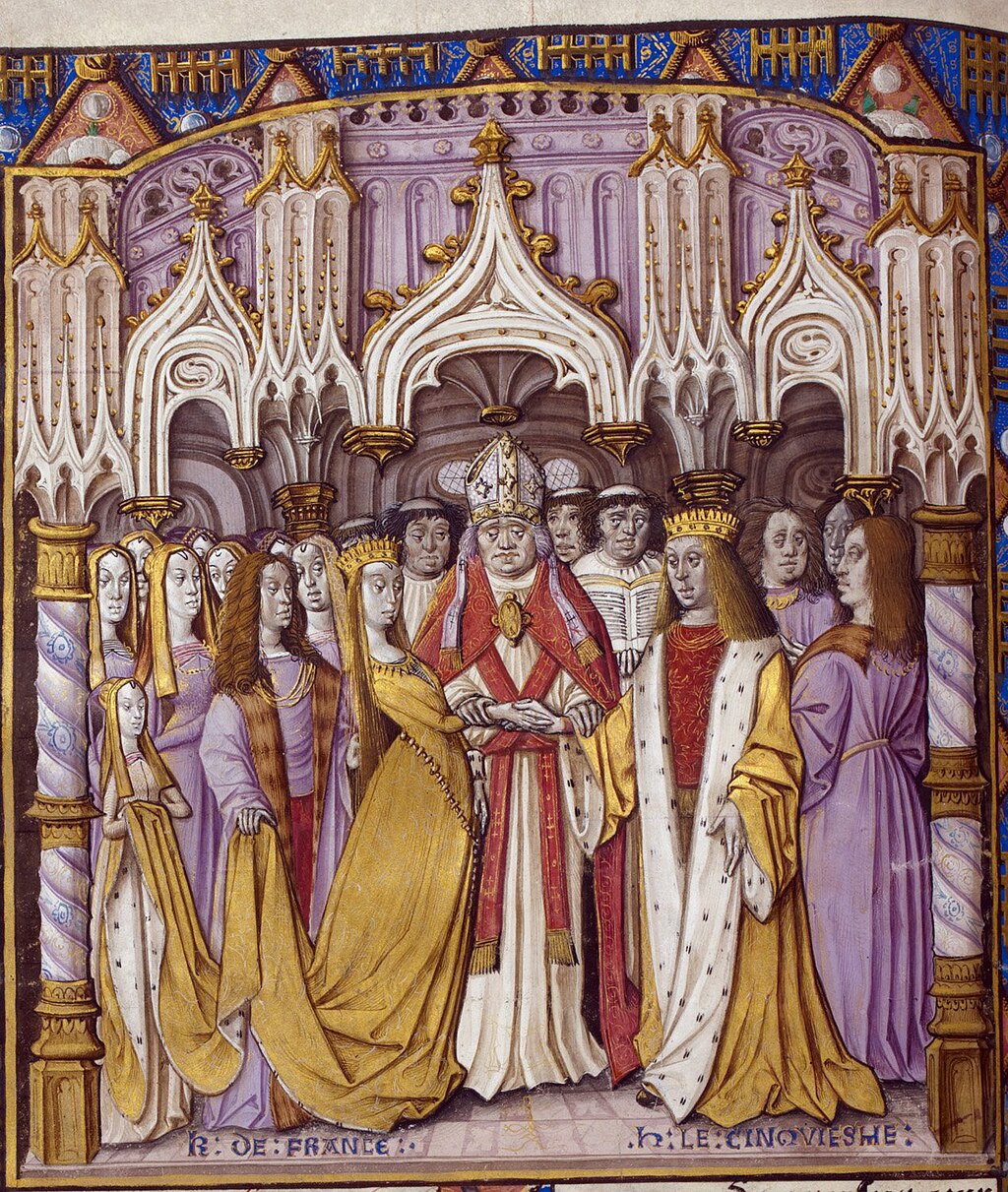
c. 1490. This manuscript miniature depicts the wedding of Henry V and Catherine de Valois.
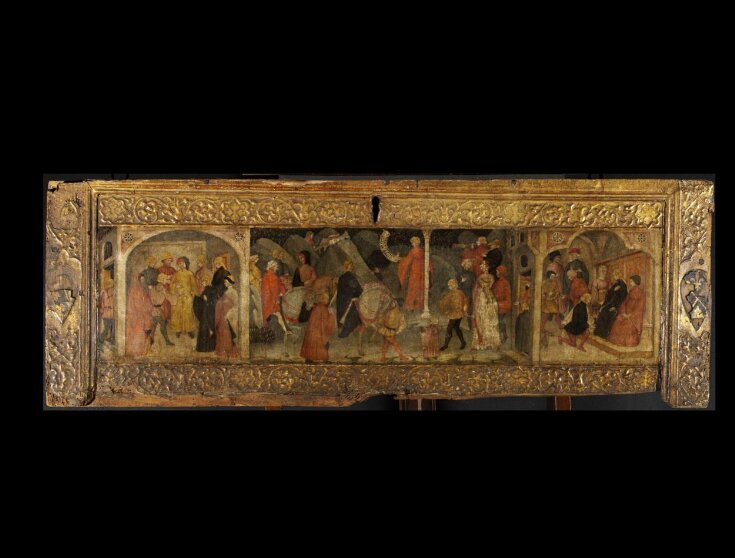
c. 1410. This marriage chest panel depicts marriage scenes.
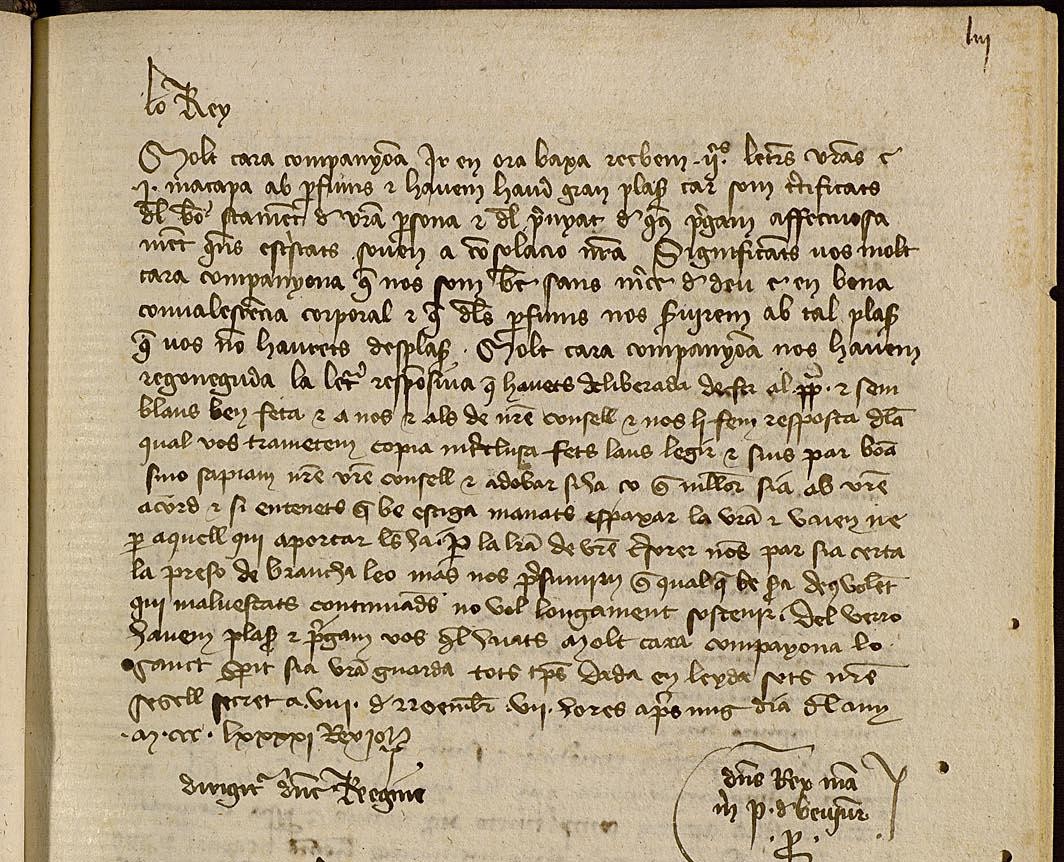
November 8, 1391. Joan writes a letter to his wife, Queen Violant, thanking her for sending a small box of perfume and also reiterating the value he places in her political judgment.
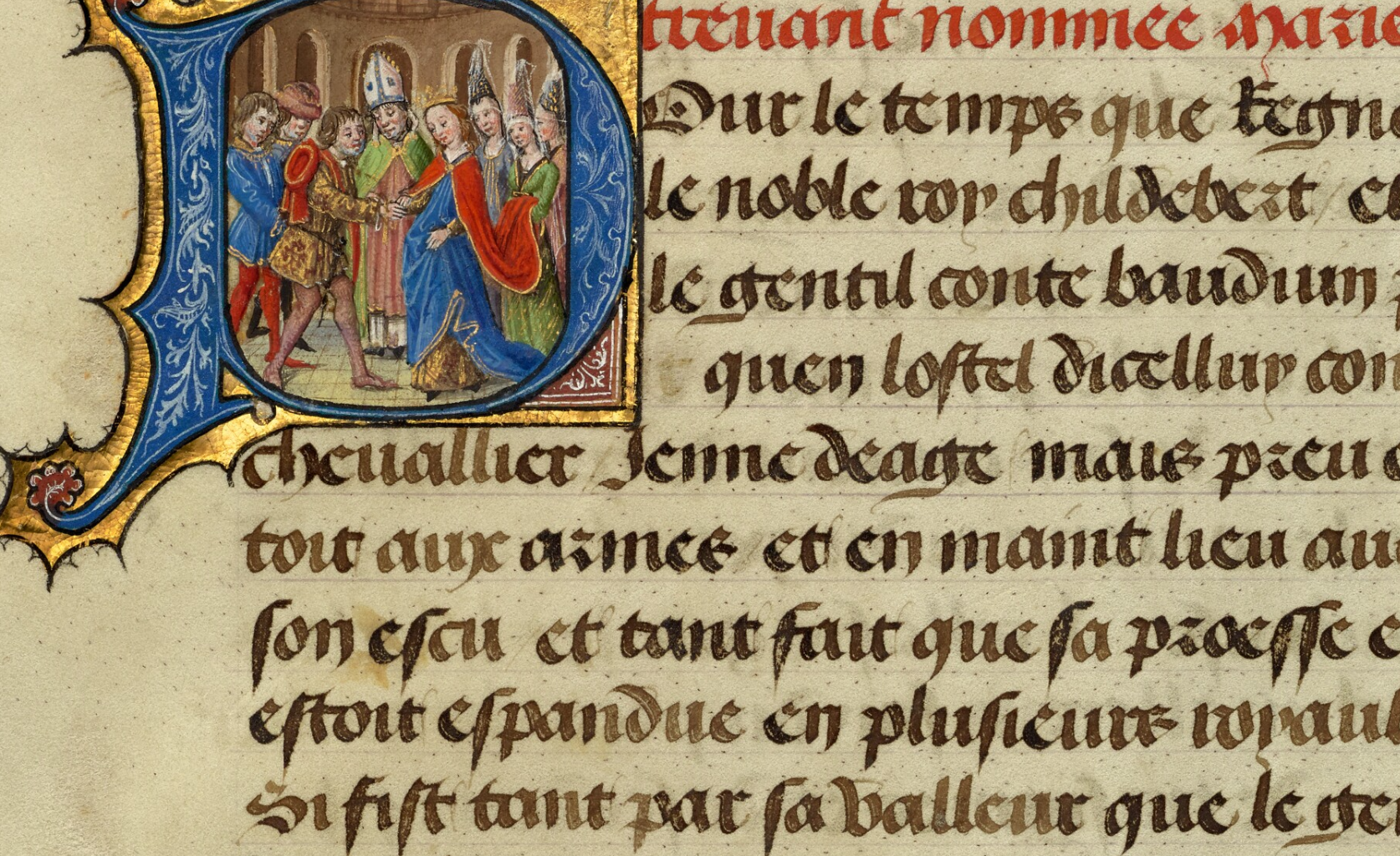
1464. This historiated initial depicts the wedding of the heroes of the Roman de Gillion de Trazegnies.
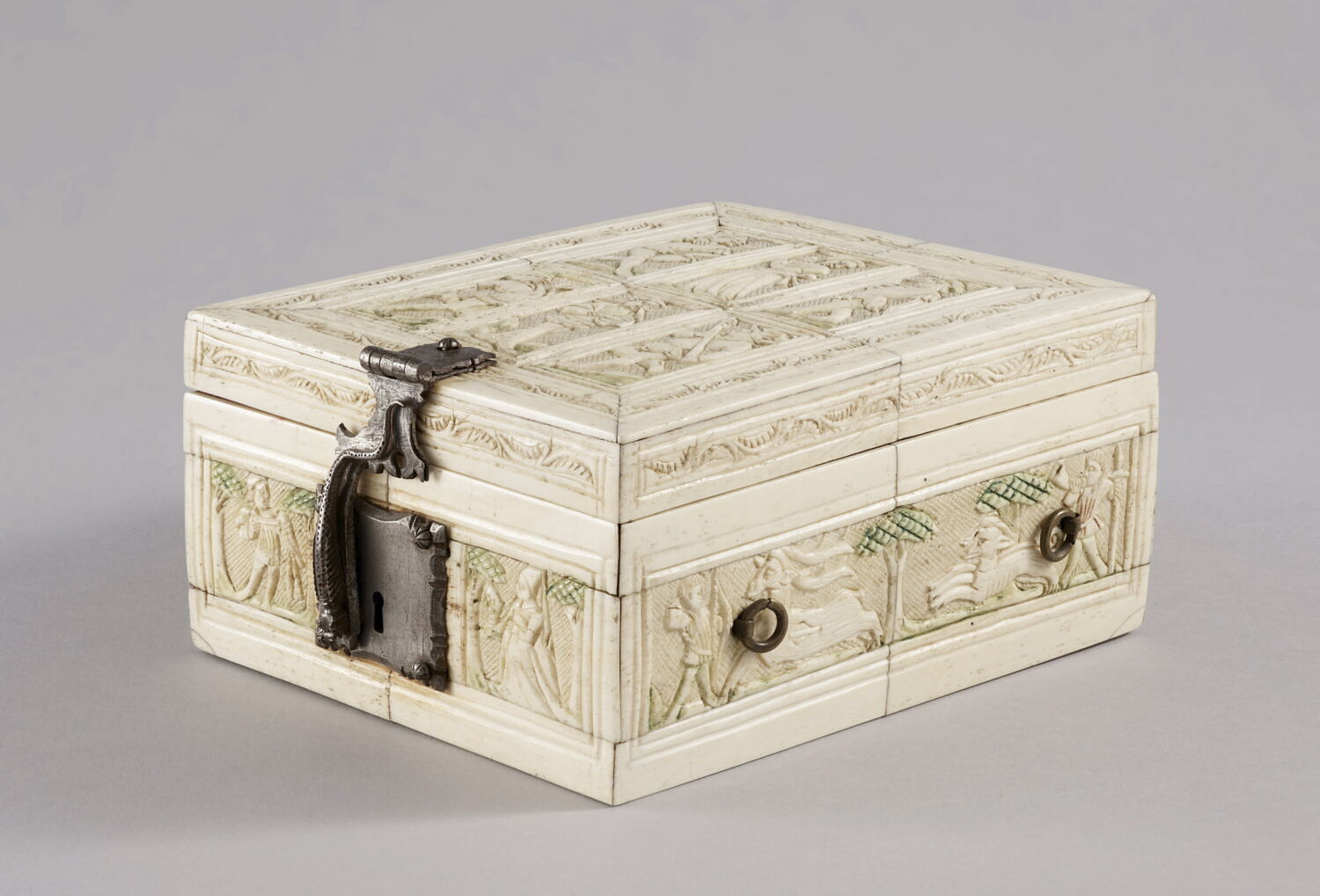
c. 1435-1470. This small box, likely presented to the bride on her wedding day, depicts a late medieval interpretation of dance in the Muslim tradition.
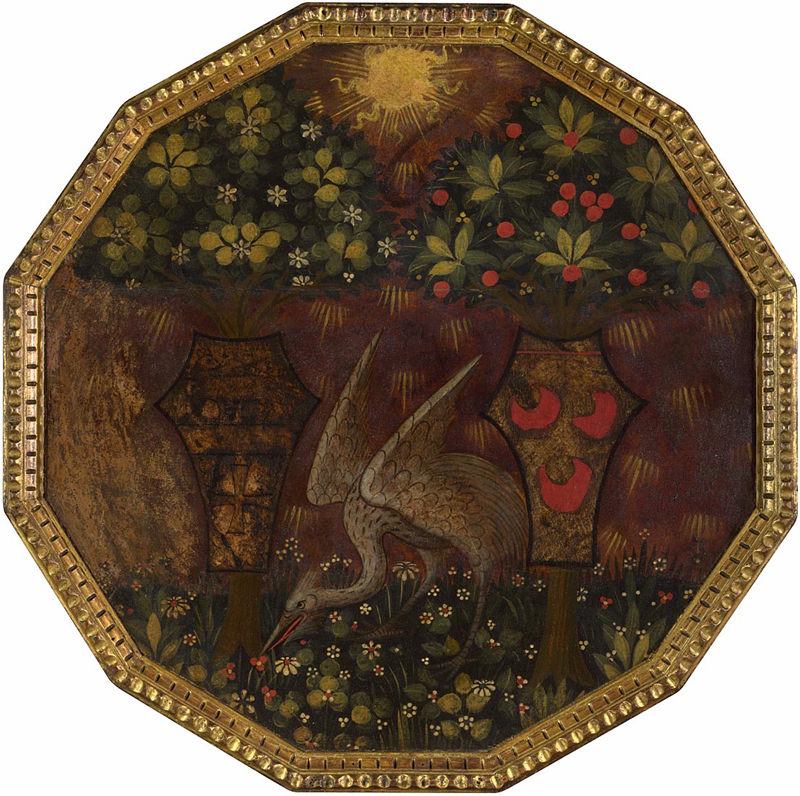
c. 1453-1455. This birth tray contains heraldic coats of arms.
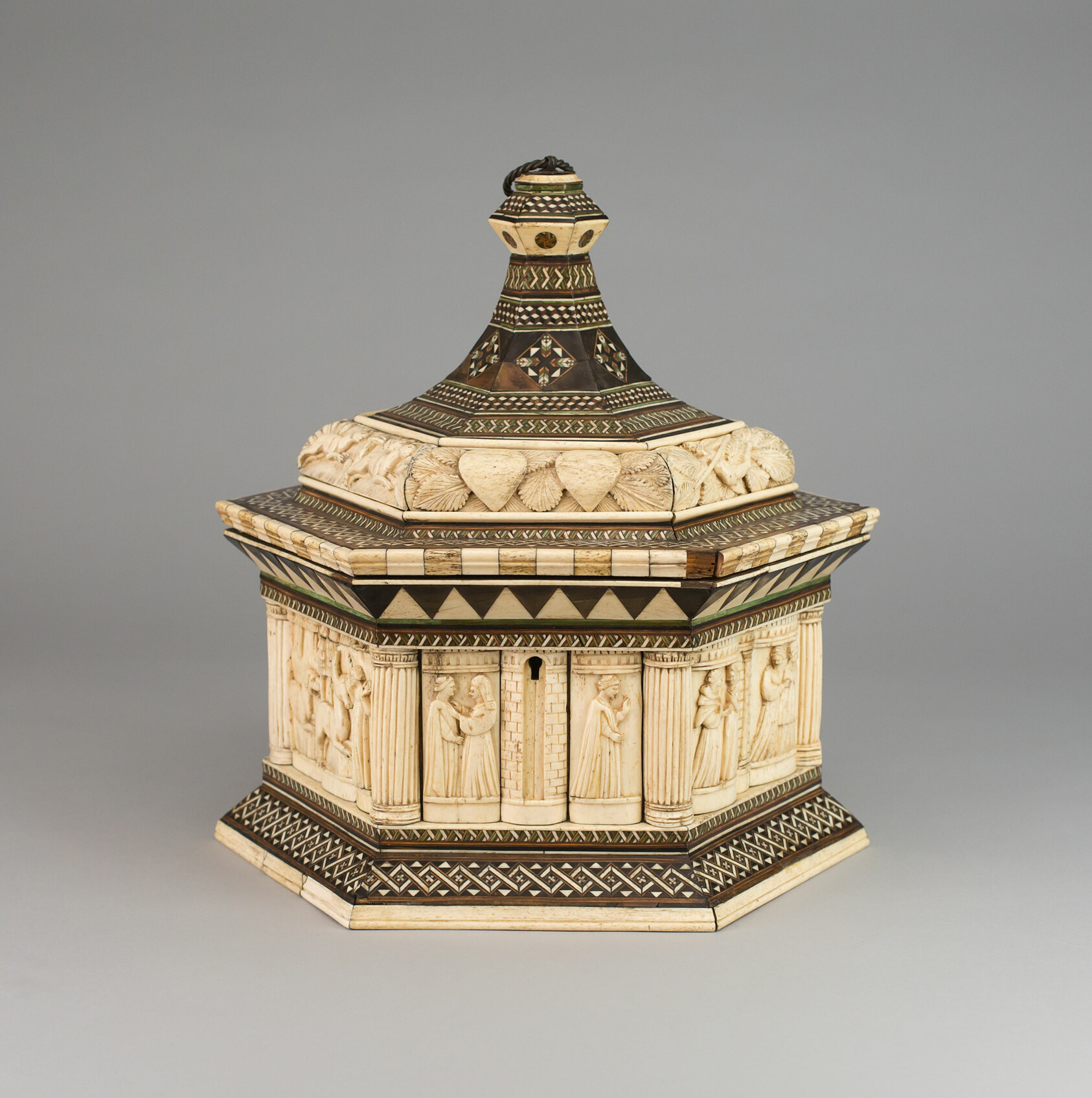
c. 1390-1410. The Embriachi workshop made this ivory bethrothal casket.
c. 1365-1370. Paintings of St. Catherine were common marriage gifts.
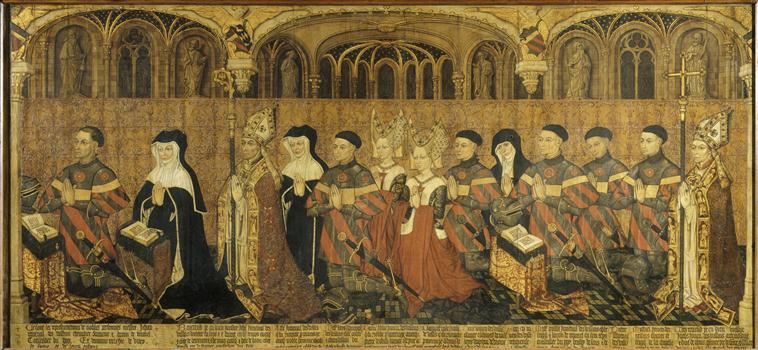
c. 1445-1449. The married women in this painting wear large headdresses.
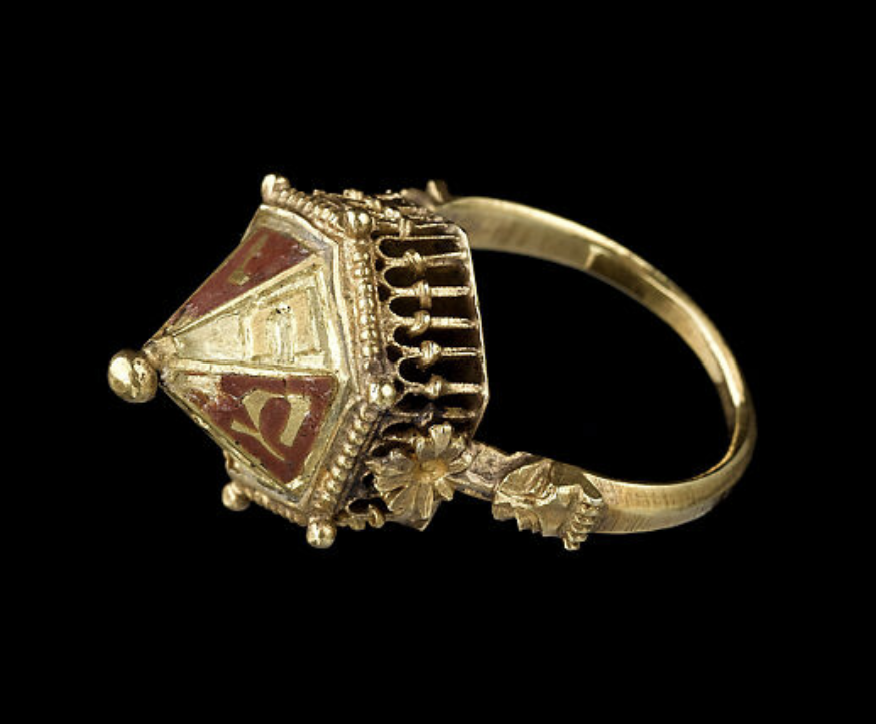
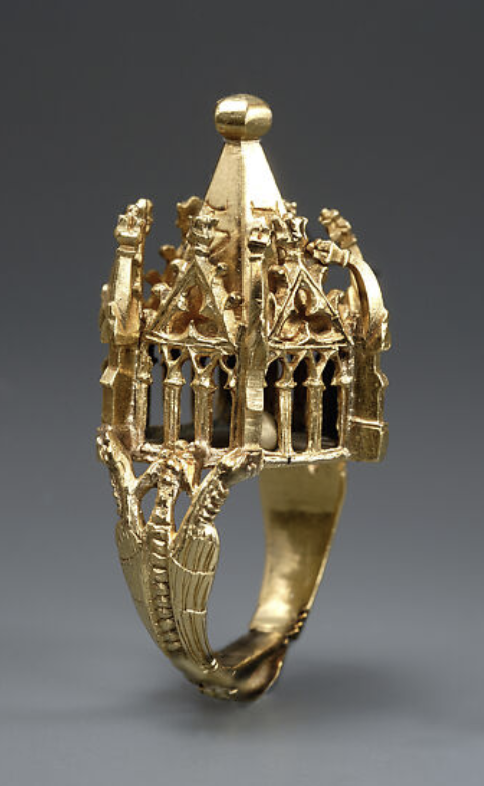
ca. 1300-before 1348. This wedding ring includes a representation of the Temple.
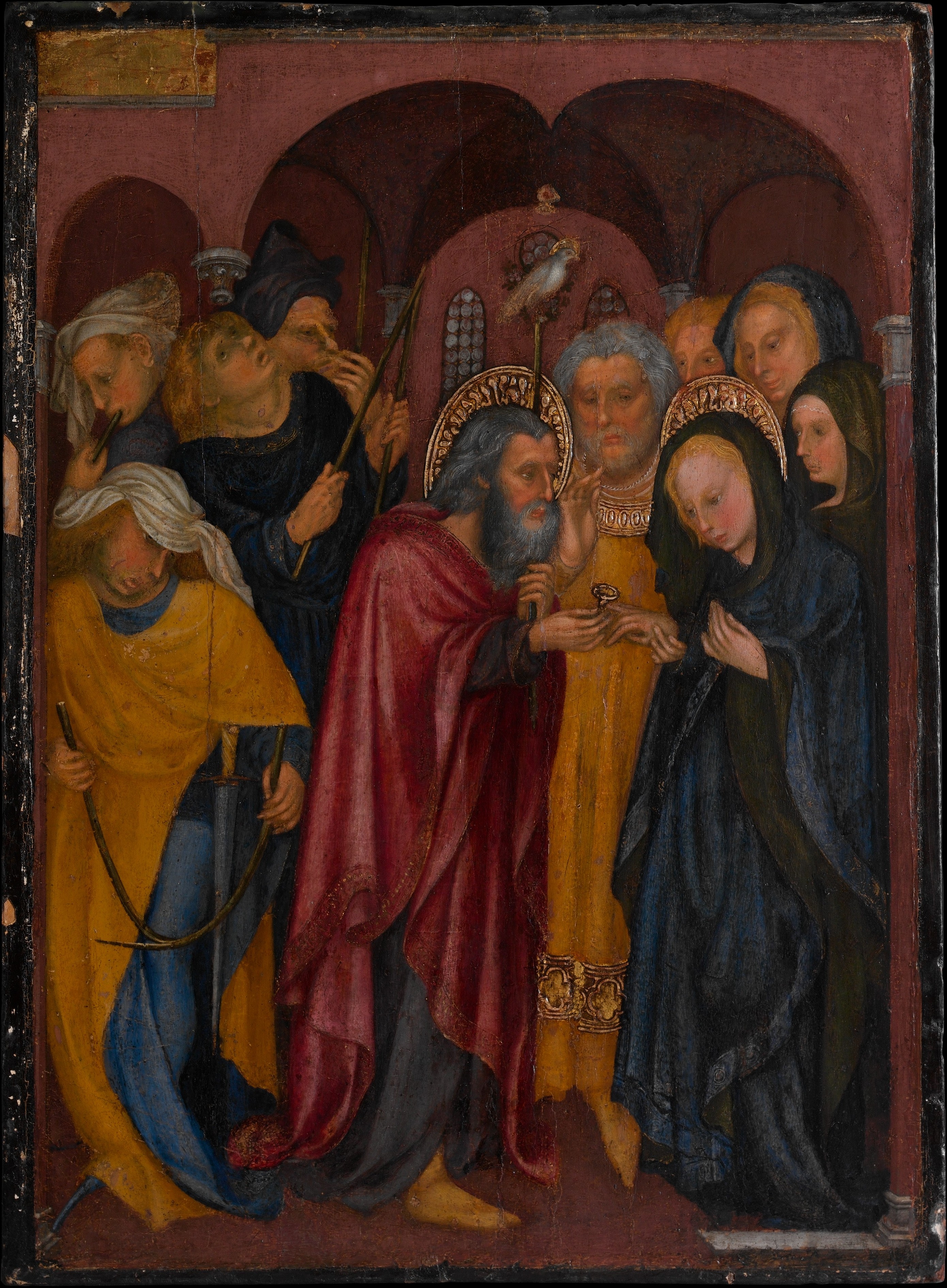
c. 1430. A painting depicting the marriage of the Virgin Mary to Joseph. Rejected suitors despair.
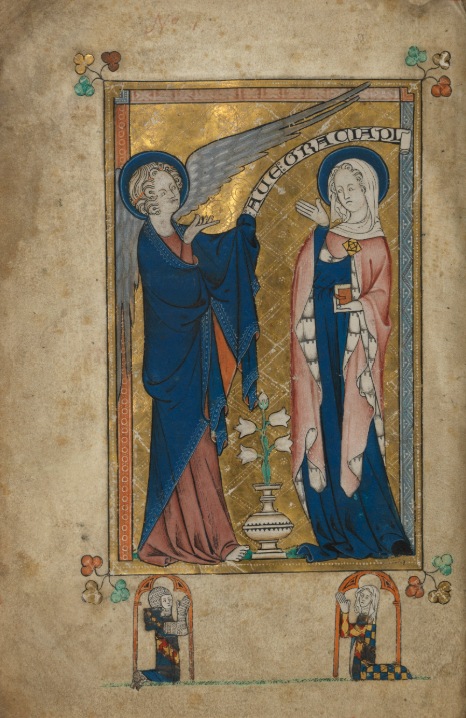
c. 1315-1320. This Book of Hours was clearly made to commemorate a marriage, as both husband and wife are pictured at the beginning of the manuscript.
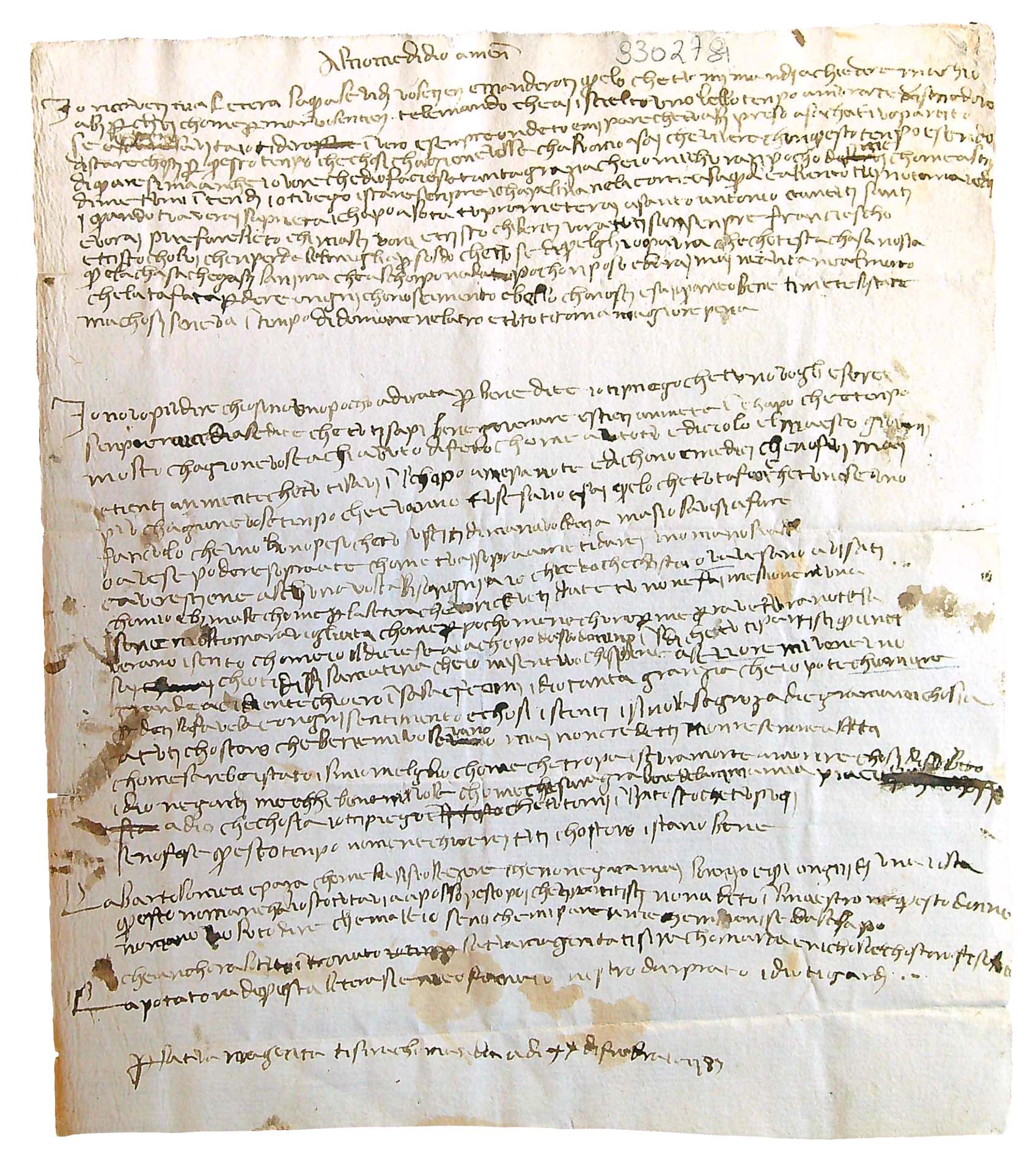
February 20, 1388. Margherita Datini writes to her husband, the merchant Francesco Datini, about many matters which include her frustration at the recent birth of his illegitimate child.
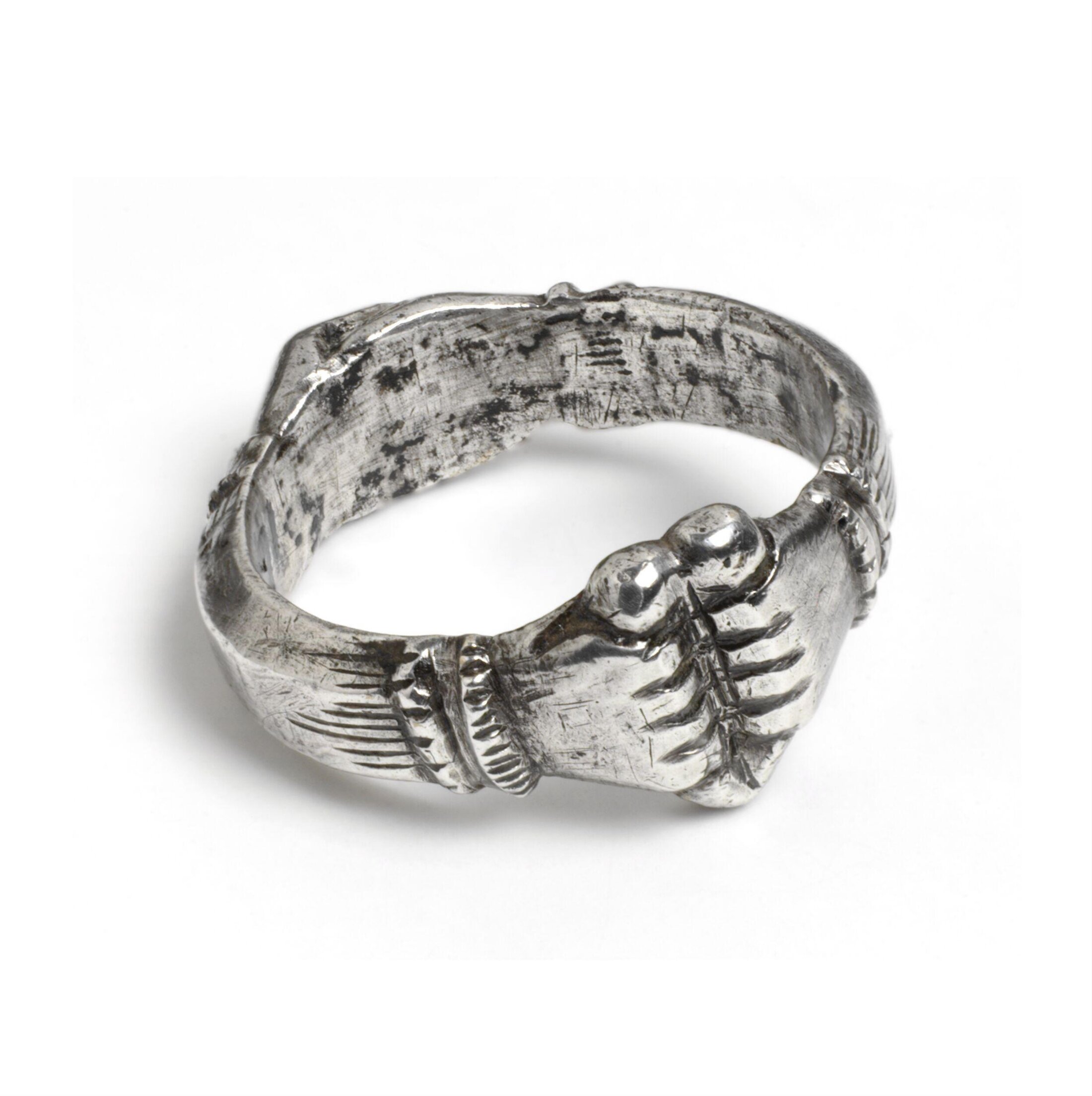
Fifteenth century. This wedding ring features a common medieval symbol of fidelity.
Fourteenth century. This wedding ring includes a representation of the Temple.
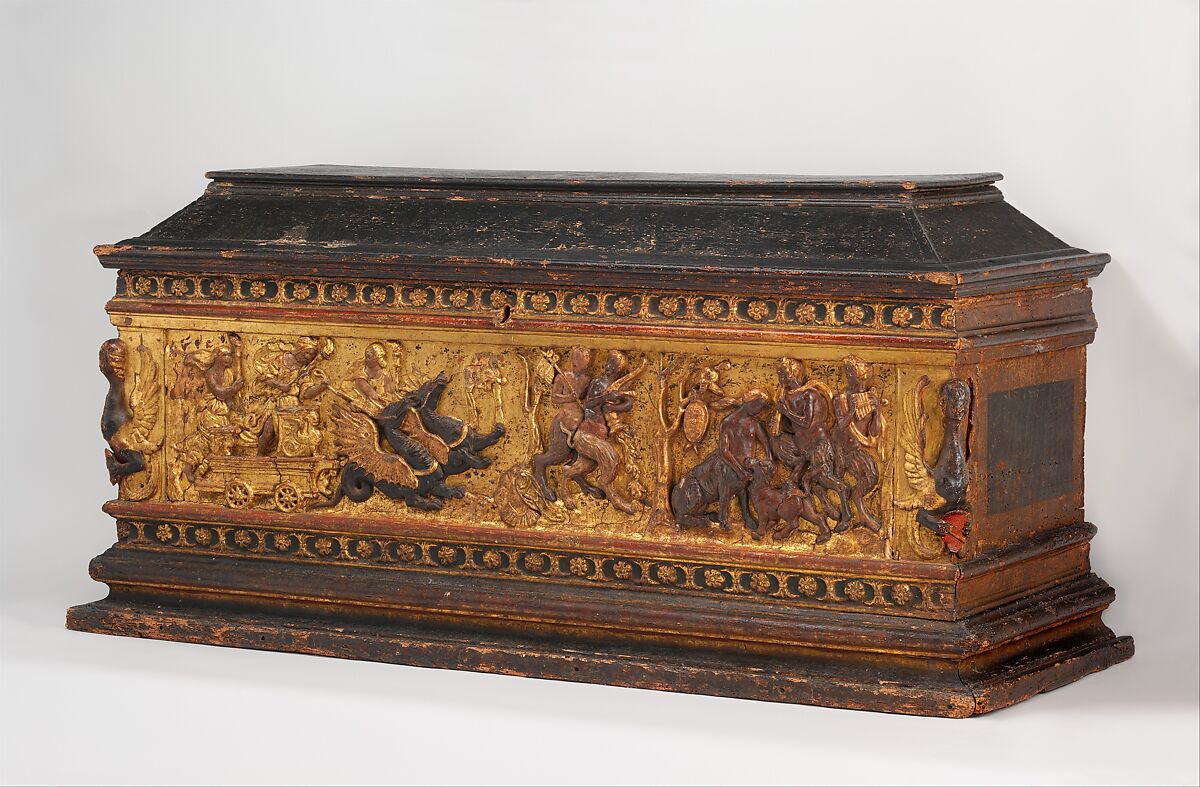
c. 1480-1495. This marriage chest was also known as a cassone.
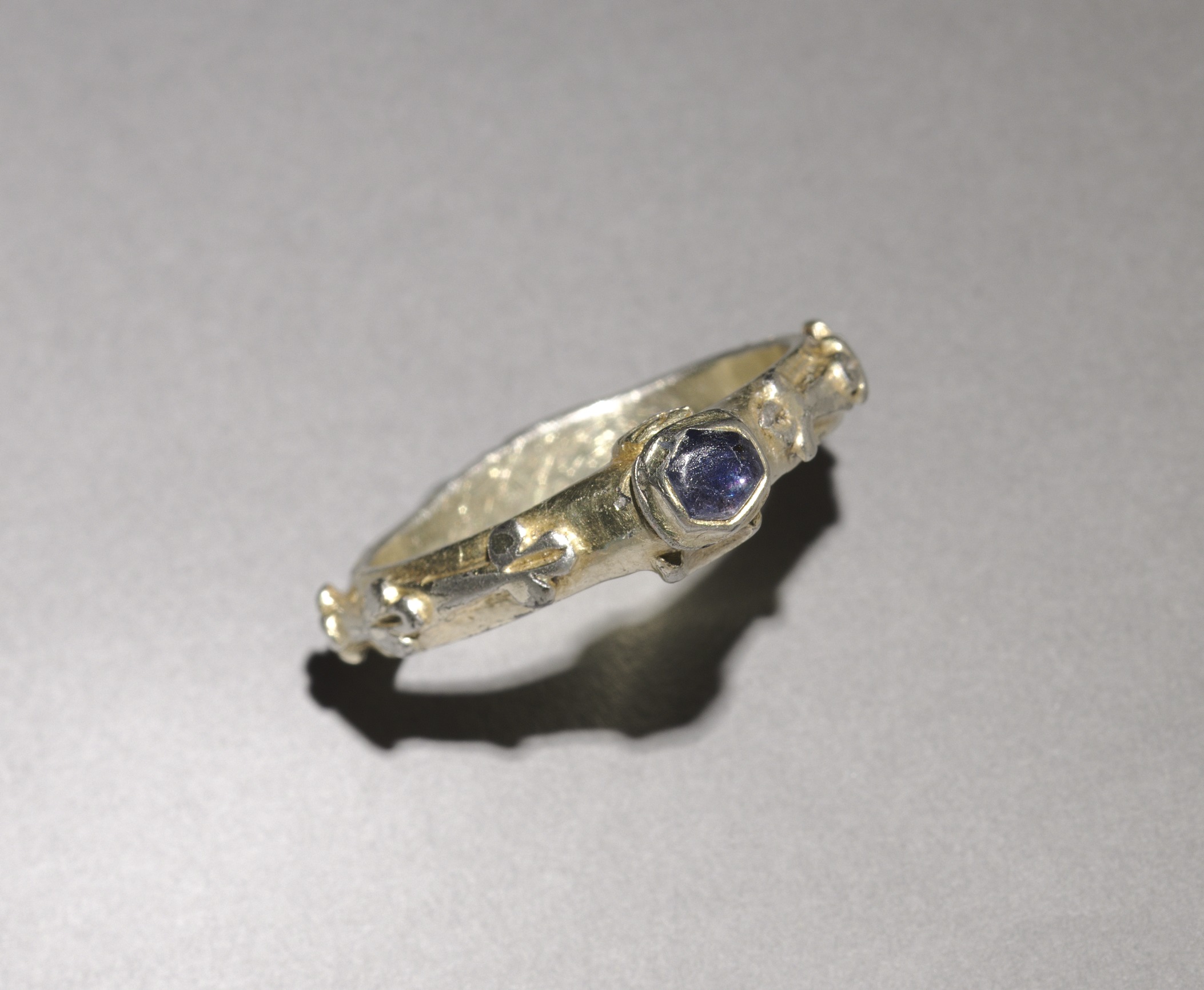
Fourteenth century. This ring shows another representation of fidelity, embellished with a precious gem.
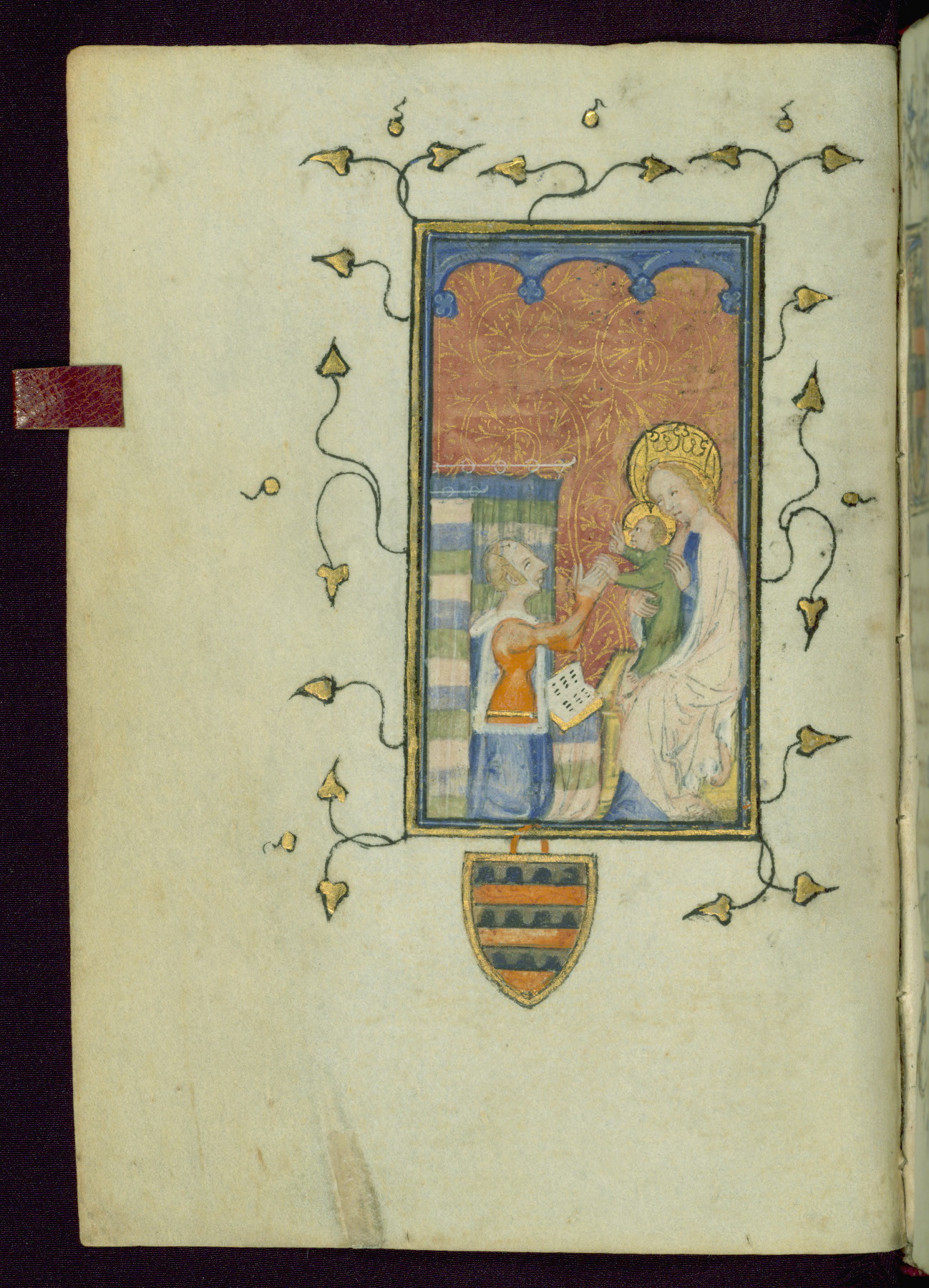
c. 1380. This manuscript is a Book of Hours that commemorates the marriage of Raoul II de Raineval and Isabelle de Coucy.
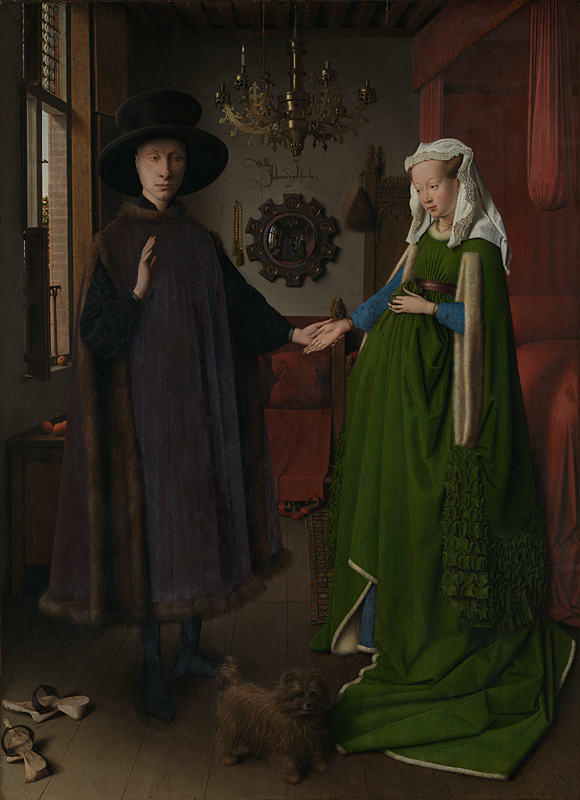
1434. A portrait of an Italian merchant and his wife, rich in bourgeois symbolism and material culture.
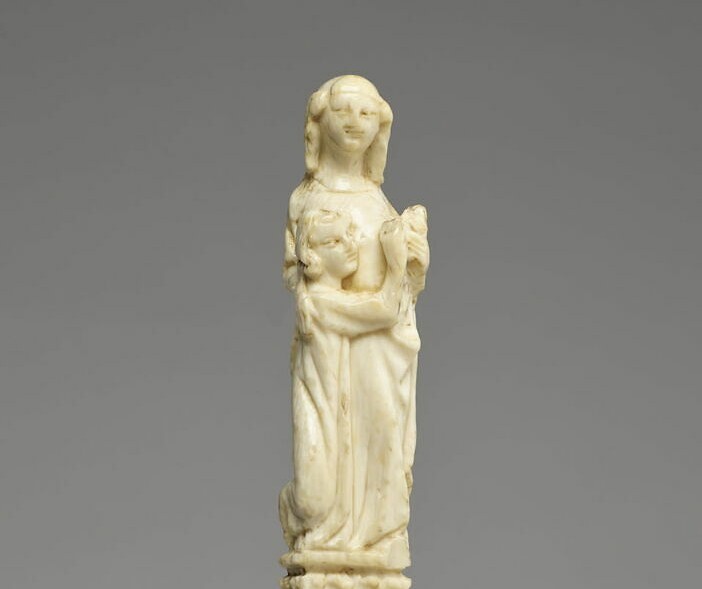
ca. 1300-1315. This hair parting tool offers an unusual depiction of love.
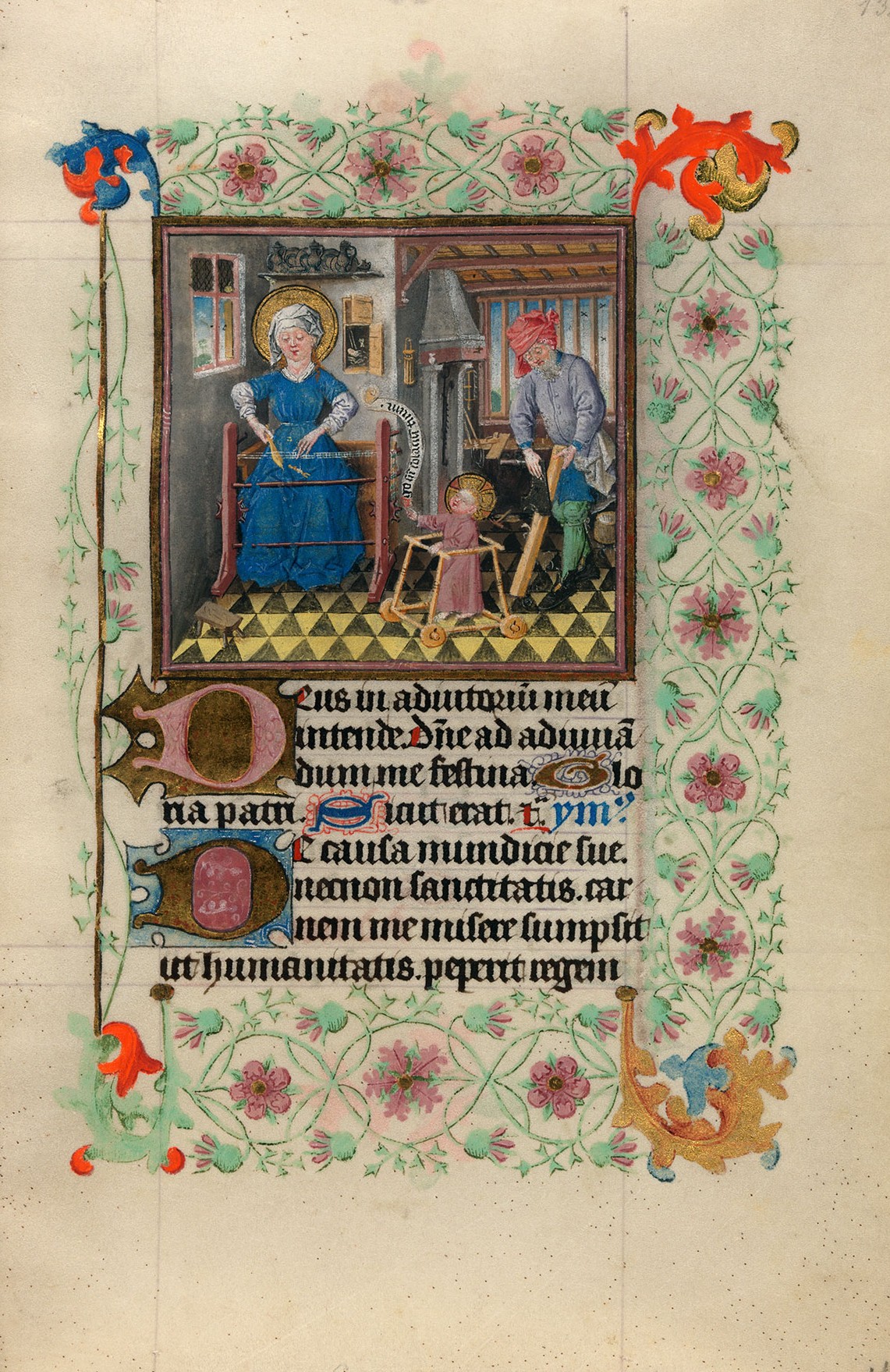
c. 1440. Art historians consider Hours of Catherine of Cleves the most exemplary of the Books of Hours created in the Netherlands during the Late Middle Ages.
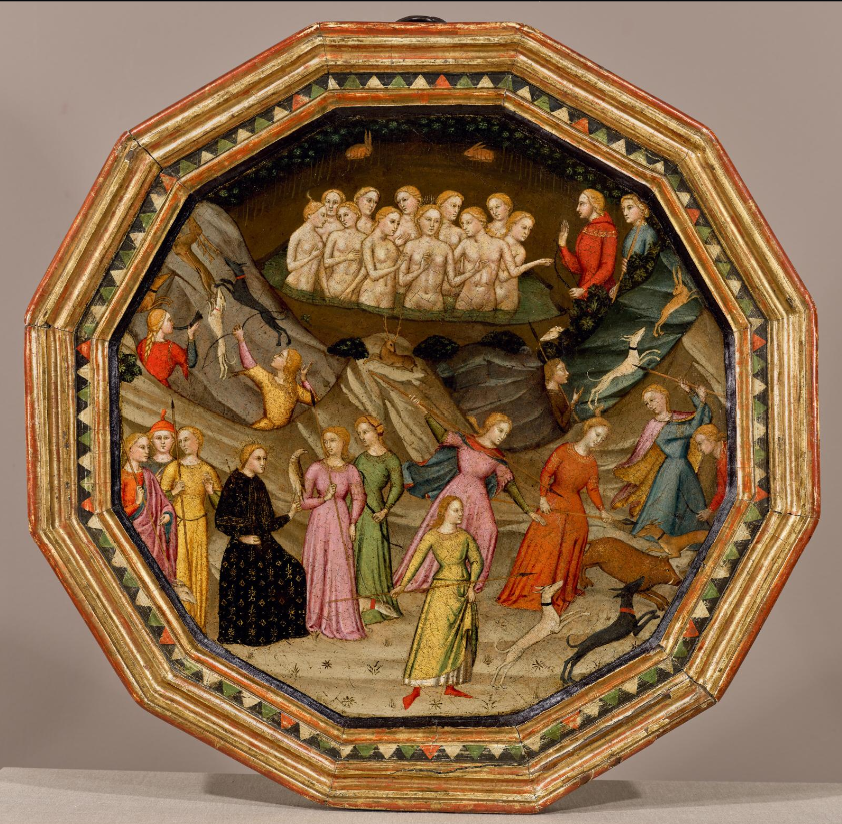
c. 1380-1400. This birth tray contains imagery of the goddess Diana.
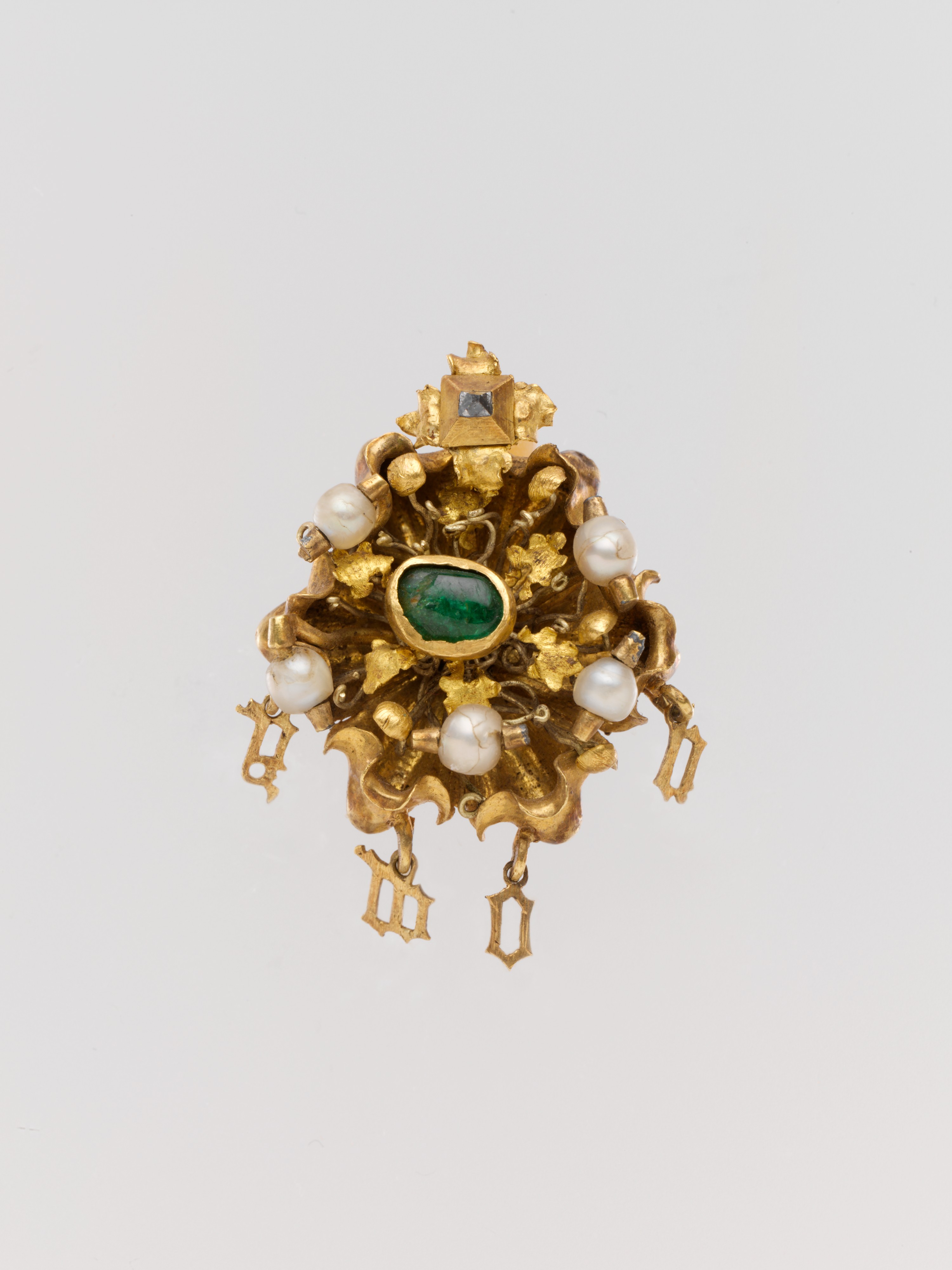
Mid-fifteenth century. Brooches were often given by grooms to brides.
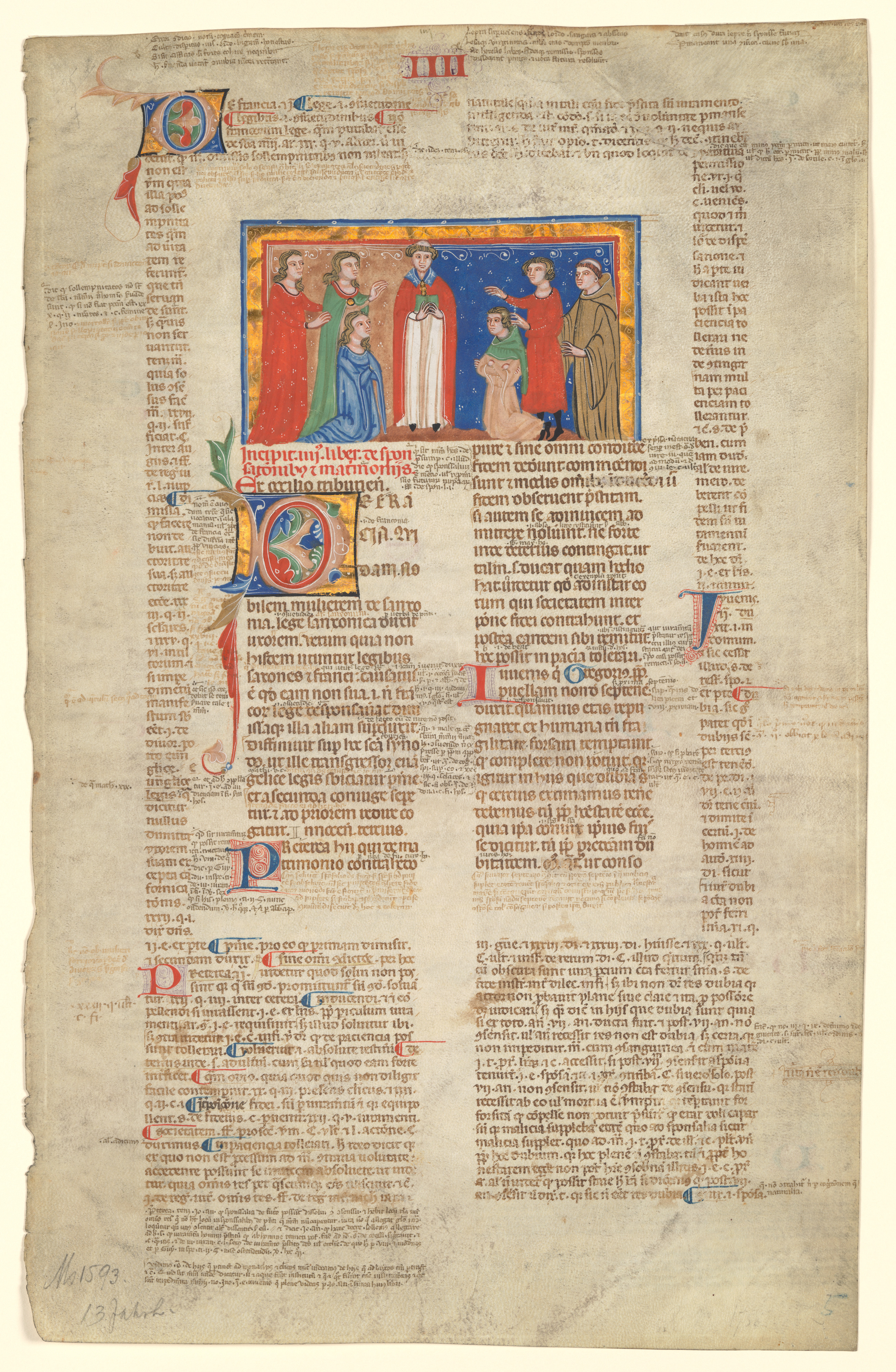
c. 1300. This manuscript includes an illustration of a typical wedding.